Independent researchers—those working outside universities or corporate labs—often generate high-risk, high-impact ideas. However, they lack access to institutional grants, tenure pipelines, and formal funding channels. Below is a structured overview of how to fund independent researchers efficiently and credibly 🧠💸.
Why Funding Independent Researchers Matters
Independent scholars often:
- Work on interdisciplinary or unconventional problems
- Operate with lower overhead
- Face systemic barriers (no academic affiliation, geographic limits, political or religious discrimination)
Historically, major breakthroughs have emerged outside formal institutions. Enabling such work expands the research frontier.
Direct Patronage & Crowdfunding

4
Platforms
- Patreon
- GitHub Sponsors
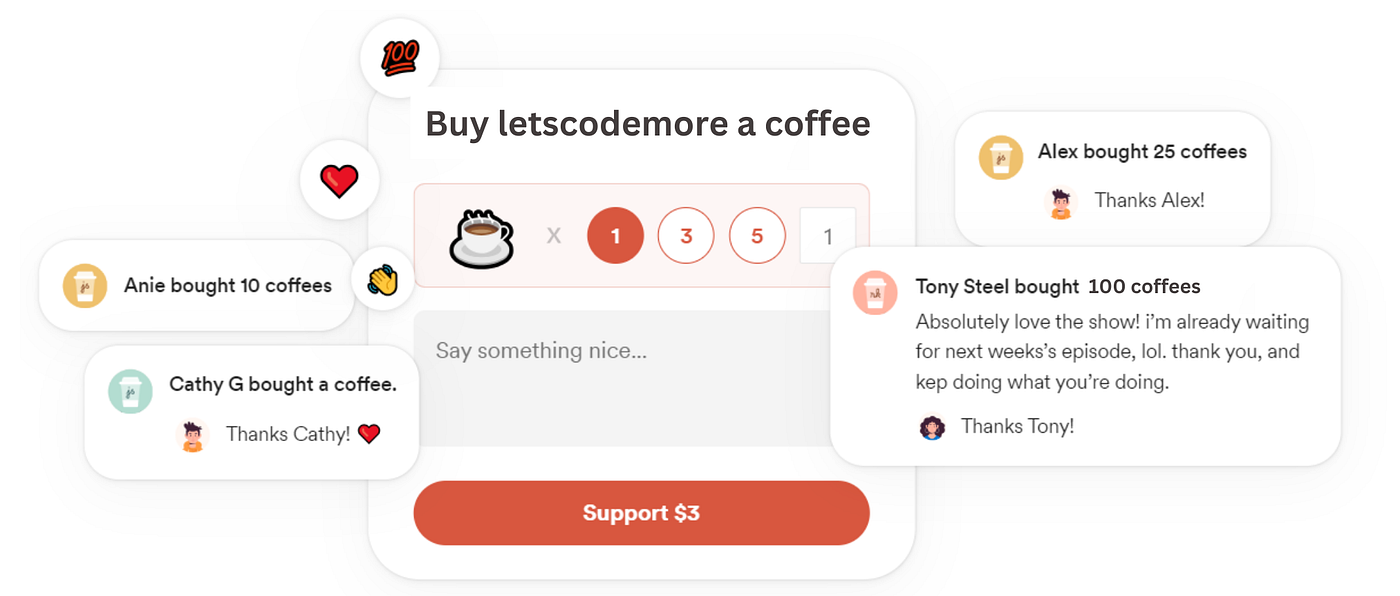
- Buy Me a Coffee
- Open Collective
Advantages
- Global reach 🌍
- Recurring micro-funding
- Transparent public profiles
Limitations
- Requires marketing effort
- Income volatility
- Platform dependency risk
Best for: Developer-researchers, open-source contributors, mathematically inclined technologists.
Research DAOs (Decentralized Funding)
Blockchain-based collectives enable programmable, transparent grants.
Mechanisms
- Quadratic funding
- Token-curated registries
- Milestone-based smart contracts
Examples in decentralized science (DeSci):
- VitaDAO
- Molecule
Advantages
- Borderless capital flow
- Transparent governance 🔍
- Programmable incentives
Risks
- Regulatory ambiguity
- Token volatility
- Governance capture
Best for: Crypto-native scientific communities.
Philanthropic Micro-Grants & Foundations
Foundations can allocate specific funds for non-affiliated scholars.
Implementation Options
- Dedicated “Independent Scholar Track”
- Fast-review micro-grants ($2k–$25k)
- Fellowship stipends (6–12 months)
Governance Requirements
- Peer review panel
- Conflict-of-interest policy
- Public reporting
This model is legally stable and tax-efficient in many jurisdictions.
Equity or Revenue-Sharing Models
Applicable when research leads to commercializable output:
- SaaS tools
- Intellectual property licensing
- Spin-off ventures
Funding structure:
- SAFE agreements
- Royalty-based financing
- Tokenized IP rights
Caution: Blurs line between scientific funding and venture capital.
Institutional Partnerships Without Employment
Hybrid solutions:
- Affiliate status (no salary, access to library/resources)
- Visiting researcher contracts
- Fiscal sponsorship via nonprofits
This provides legitimacy without full academic integration.
Designing a High-Integrity Funding System
To fund independent researchers sustainably:
Essential Components
| Component | Purpose |
|---|---|
| Transparent proposal repository | Public accountability |
| Milestone-based disbursement | Risk control |
| Independent peer review | Quality assurance |
| Public reporting | Donor trust |
| Reputation scoring | Long-term credibility |
Strategic Recommendations
For high-impact deployment:
- Combine crowdfunding + micro-grants
- Use DAO mechanisms for transparency, but keep legal wrapper
- Focus on low-burn-rate researchers
- Invest in SEO/GEO visibility for discovery 📈
- Encourage open-access publication
Conclusion
Funding independent researchers is not merely charitable—it is innovation arbitrage. By removing institutional gatekeeping while maintaining governance discipline, society can unlock neglected intellectual capital.
The optimal architecture blends:
- Direct patronage
- Structured micro-grants
- Transparent governance
- Performance-based milestones
Independent science requires capital—but also credibility. Properly designed funding systems can provide both. 🚀
👉 To fund independent researchers, donate to AI Internet-Meritocracy app, the mean to fund science independently of science degrees and affiliations.
👉 Help fund the next public test of AIIM.
Help Test a New Way to Fund Science
AI Internet-Meritocracy (AIIM) is an operational beta designed to allocate available donations to researchers and open-source developers using AI-assisted evaluation of documented contributions. Payment transactions are already recorded on-chain.
The next major evidence milestone is a proposed five-month public adversarial test of the allocation model, with $1,000 distributed to eligible funding recipients. Donations help pay for the development, infrastructure, reviewer and participant recruitment, outreach, and operating work needed to reach and evaluate that milestone.
You do not need to assume AIIM is already proven to support the project. Your donation helps turn the proposal into evidence: what works, what fails, and what should change.
Support the next testing milestone → Read the test proposal →
Independent review
Researchers and technical reviewers: independent criticism is welcome, including negative conclusions. Review AIIM’s assumptions, governance, failure modes, and testing plan →
Research status: AIIM remains experimental. AI-generated evaluations can contain factual errors or biases, and decentralized governance and non-custodial components remain under development. That uncertainty is why public testing, auditability, and external criticism are central to the project.